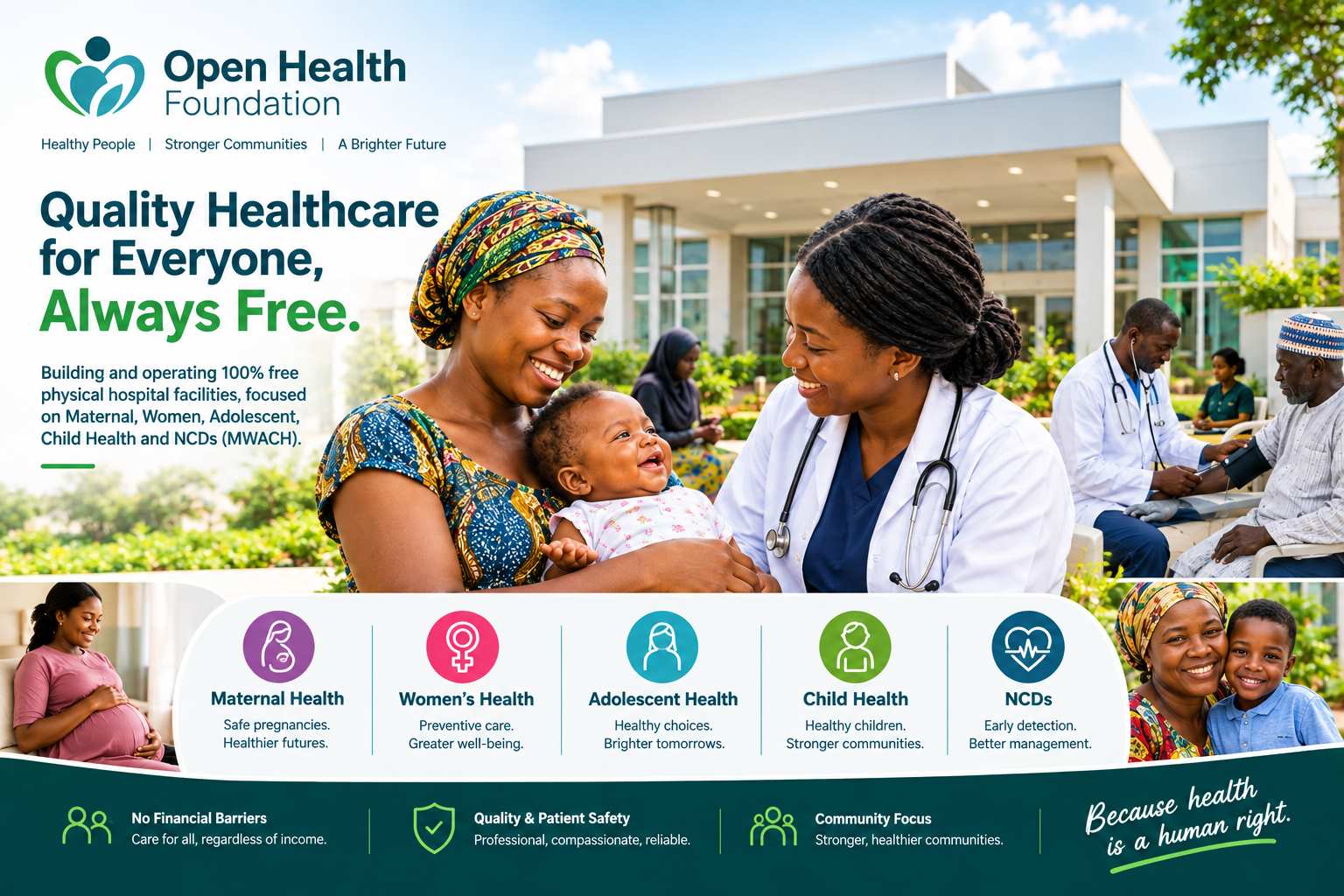
The Open Health Foundation operates The Open Hospital (A 100% Free Hospital that cares for the Most Vulnerable and at risks population in the society)
"Through The Open Hospital (A 100% Free World Class Hospital), the Open Health Foundation delivers fully funded, high-quality healthcare services directly to those living on the economic margins. By eliminating financial barriers entirely, we ensure that compassion and quality medical attention are accessible to everyone when they need it most." ...On a mission to save 1 billion lives from preventable deaths in the next 60 years.







Who we are
Compassionate Healthcare for All
Our Mission
To design, deploy, and scale zero-cost healthcare delivery systems, mass health literacy programs, medical education scholarships, and clinical institutions that guarantee the absolute poorest members of society receive dignified, continuous, high-quality medical care across their entire lifespan.

Our Vision
To save 1 billion lives from preventable death in the next 60 years globally.
Our Manifesto
The Open Health Foundation Manifesto

About Us
The Open Health Foundation is a Non-Profit Entity focusing on Health care provision for the most vulnerable population in the society. Part of this is achieved through The Open Hospital (A 100% Free & World Class Hospital)
We work alongside families, caregivers, healthcare professionals, and communities to ensure that no one feels forgotten, unseen, or unsupported. Our approach is simple: care deeply, act kindly, and serve with integrity.
Learn More
Our Impact
Because Compassion Creates Real Change
Through our programs and partnerships, we continue to touch lives, strengthen communities, and promote dignity in care. Every contribution—big or small—creates real change.
Our Programmes
Programs Guided by Empathy and Respect
Maternal, Child & Adolescent Reproductive Health (MNCH/SRHR)
Maternal, Child & Adolescent Reproductive Health (MNCH / SRHR). At Open Health Foundation, we ensure that no woman, child, or adolescent is left behind in access to quality healthcare. 1. Youth-Friendly SRHR & Adolescent Care: We provide a safe, confidential, and non-judgmental space for adolescents and young people. Our services include reproductive health education, menstrual hygiene management, counseling on STIs, contraception, and prevention of teenage pregnancy. We run school outreaches and youth clubs to empower young people with accurate information to make healthy life choices. 2. Maternal & Neonatal Excellence: We deliver comprehensive care for mothers and newborns — from first antenatal visit to safe delivery and postnatal follow-up. This includes routine ANC, ultrasound monitoring, safe delivery by skilled birth attendants, emergency obstetric care (EmOC) for complications, and continuous pediatric monitoring for newborns and children under-5. Our Goal: Reduce maternal and neonatal mortality, end preventable teenage pregnancies, and ensure every girl, mother has access to dignified, quality reproductive healthcare. This directly aligns with SDG 3 (Good Health) and SDG 5 (Gender Equality).

Bringing Quality Healthcare Within Everyone’s Reach
Access to quality healthcare remains a significant challenge for millions of Nigerians, particularly low-income households, vulnerable populations, and communities where the cost of medical services creates barriers to timely diagnosis and treatment. For many families, an illness is not only a health concern but also a financial crisis. The cost of consultations, diagnostic investigations, medications, hospital admissions, and specialist care can force people to delay treatment, abandon prescriptions, or seek help only when a condition has become life-threatening. Maternal and child health challenges, preventable childhood illnesses, complications during pregnancy and childbirth, and the growing burden of non-communicable diseases such as hypertension, diabetes, asthma, and cancer further highlight the need for accessible, reliable, and compassionate healthcare services. For Open Health Foundation, direct healthcare delivery is a practical commitment to changing this reality. Through the establishment and operation of 100% free physical hospital facilities, the Foundation seeks to eliminate financial barriers that prevent people from receiving the care they need, when they need it. The approach places healthcare delivery at the centre of its mission, moving beyond advocacy and awareness to provide tangible medical services that directly improve and save lives.
Epidemic Surveillance, Biosecurity & Climate Resilience
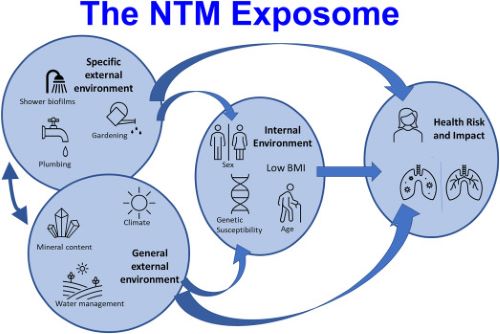
The Open Health Foundation aims to strengthen early disease detection, outbreak preparedness, and community resilience by improving epidemic surveillance, supporting biosecurity measures, and developing climate-responsive healthcare strategies. The programme focuses on identifying emerging public health threats early, strengthening frontline response systems, and protecting vulnerable populations from the growing health risks associated with infectious disease outbreaks, environmental changes, and climate-related emergencies. 1. Community Sentinel Surveillance The Foundation seeks to strengthen community-level disease surveillance by equipping frontline health workers, community volunteers, and healthcare facilities with the knowledge and tools to identify, document, and promptly report unusual disease patterns and potential outbreaks. Priority interventions include: • Frontline health worker training: Building capacity in early warning signs, case identification, basic data collection, and timely reporting of priority diseases. • Community-based disease monitoring: Establishing or strengthening sentinel reporting networks to track unusual increases in fever, diarrhoeal diseases, respiratory infections, and other priority public health conditions. • Real-time reporting and referral: Improving communication between communities, healthcare facilities, and relevant public health authorities to facilitate rapid investigation and response. • Outbreak preparedness and response: Supporting community risk assessments, emergency response planning, and coordination with relevant disease surveillance and response agencies. • Risk communication and public awareness: Promoting accurate health information, countering misinformation, and educating communities on prevention measures during outbreaks. • Data management and analysis: Strengthening the collection and review of surveillance data to identify trends, detect potential threats, and inform timely public health decisions. Expected outcomes: Earlier identification of potential outbreaks, improved disease reporting, faster referral and response, and stronger community preparedness for public health emergencies. 2. Climate-Resilient Health Delivery The Foundation recognises that climate change, flooding, extreme heat, changing rainfall patterns, and environmental degradation can increase health risks and disrupt access to essential medical services. These pressures may contribute to surges in waterborne diseases, changes in malaria transmission, heat-related illnesses, and disruptions to healthcare infrastructure and medical supply chains. The programme seeks to strengthen the capacity of healthcare facilities and communities to anticipate, prepare for, and respond to climate-related health emergencies while maintaining continuity of essential health services. Priority interventions include: • Climate-sensitive disease surveillance: Monitoring climate-related health risks, including diarrhoeal disease outbreaks following flooding, heat-related illnesses, and changes in vector-borne disease patterns. • Water, sanitation and hygiene (WASH): Promoting access to safe water, sanitation, handwashing, and community education to reduce waterborne diseases such as cholera and other diarrhoeal infections. • Health facility preparedness: Supporting emergency response plans, essential medicine availability, safe water access, backup power planning, and continuity of care during floods, extreme heat, and other climate-related disruptions. • Community risk awareness: Educating communities on heat protection, flood-related health hazards, safe water handling, sanitation, and timely healthcare-seeking behaviour. • Climate-informed planning: Working with health authorities and community stakeholders to identify vulnerable populations, assess local environmental risks, and adapt health interventions to seasonal and emerging threats. • Emergency coordination and response: Strengthening partnerships with public health agencies, emergency management organisations, and humanitarian actors to coordinate preparedness, referrals, and response activities. Expected outcomes: Improved preparedness for climate-related health emergencies, reduced exposure to environmental health risks, stronger continuity of essential healthcare services, and greater resilience among vulnerable communities. Implementation and Impact: Through strategic partnerships, frontline workforce development, community engagement, surveillance systems, and evidence-informed planning, the Foundation aims to build a more responsive and resilient public health system. By integrating early warning mechanisms with climate-sensitive healthcare delivery, the programme seeks to detect threats sooner, minimise preventable illness and deaths, and protect communities against emerging epidemics and environmental health emergencies.
Events & Activities
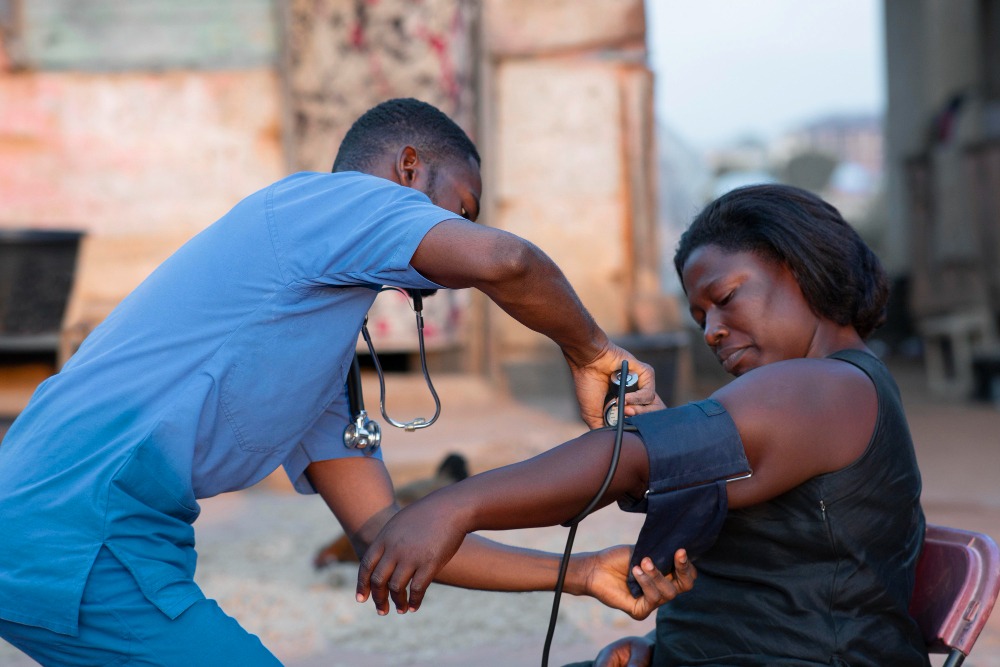
Creating Safe Spaces for Learning, Healing, and Connection

Testimonials
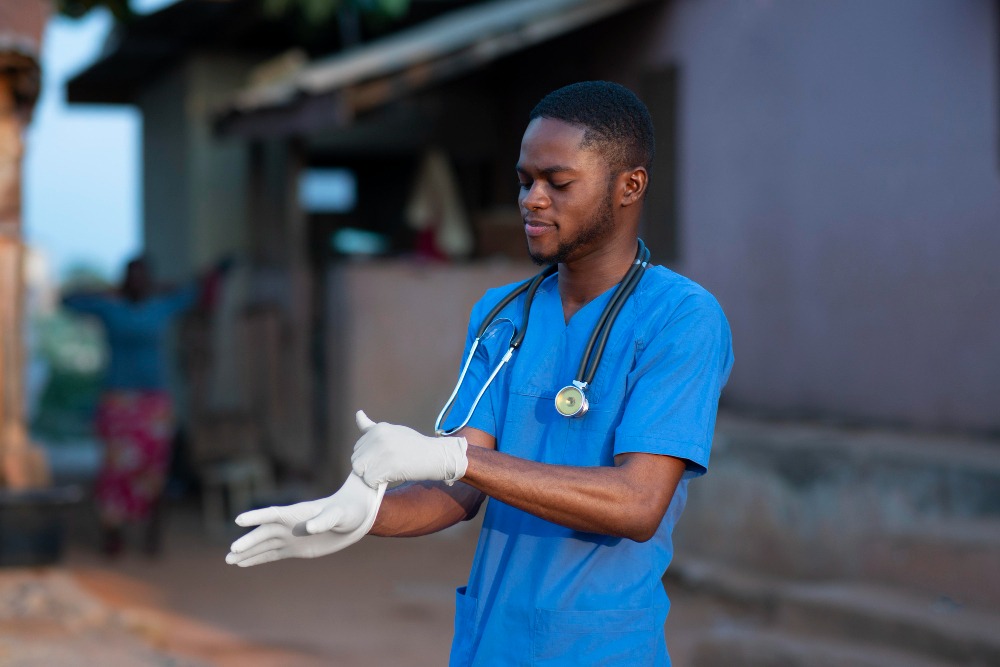
Real Stories From Real People Making Change Happen
News & Updates
Stay Connected With Our Latest Stories
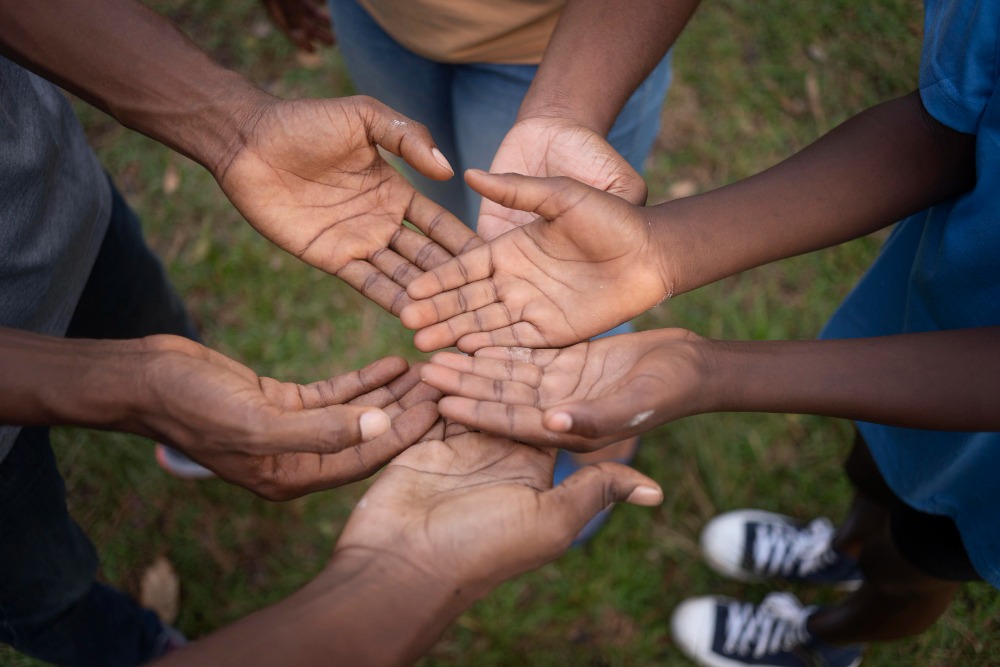
Be Part of the Compassion
Whether you choose to volunteer, partner with us, or support our mission, your involvement makes a meaningful difference. Together, we can create a future where care is compassionate, mental health is valued, and dignity is never compromised.